

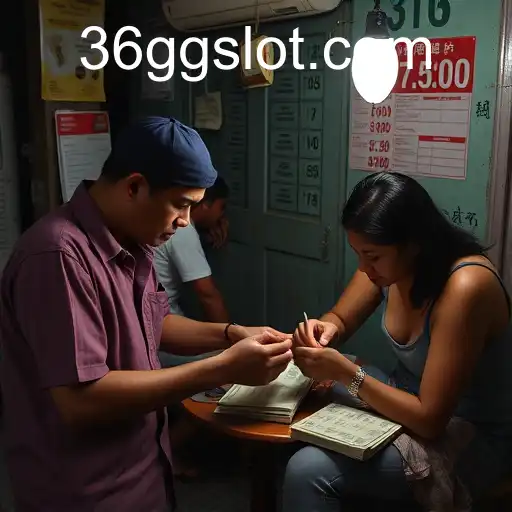
Understanding Jueteng: A Closer Look at the Controversial Numbers Game
Jueteng is a clandestine and illegal numbers game that has been ingrained in the cultural and economic landscape of the Philippines. Often linked to issues of corruption and politics, Jueteng draws a fascinating picture of grassroots gambling intertwined with everyday life.
The Origins and Mechanics of Jueteng
The origins of Jueteng can be traced back to the Spanish era in the Philippines. Derived from the Chinese words "hui" (flower) and "teng" (bet), the game is similar to a lottery where bettors pick a set of numbers. Jueteng operates on a local level, typically in neighborhoods and communities, making it accessible to many Filipinos. Its appeal lies in its simplicity and the potential for quick monetary gain with minimal investment.
Bettors choose a combination of numbers, usually ranging from 1 to 37, accompanied by small bets. The bet collector, known as the "koridor," registers these bets and submits them to the "cabos" or "coladores," who ensure the results are tracked. The winning numbers are drawn using a pair of dice or a random number-generating method, and successful bettors are rewarded with instant cash prizes.
Jueteng's Endemic Nature
Despite being illegal, Jueteng's proliferation continues unabated across the Philippines. Its extensive reach into communities is attributed to several factors, including the lack of legal gambling options, economic necessity, and cultural acceptance. Jueteng offers not only the thrill of the gamble but also a community-oriented approach where bettors feel part of a larger social fabric.
The game's operation relies heavily on the tolerance or complicity of local authorities. Often, the network of operators and bettors extends into political circles, leading to allegations of protection from law enforcement agencies in exchange for bribes, which exacerbate the cycle of corruption and criminality.
36GG.COM: The Digital Frontier
As with many traditional activities, the digital age has begun to influence Jueteng's operations. Enter 36GG.COM, a name that has become synonymous with online betting fora that some speculate could offer a platform for traditional gambling games like Jueteng in digital form. This raises questions about the adaptation of Jueteng-like activities to online spaces, potentially reaching a broader audience while remaining anonymous.
While there is limited verified information on whether Jueteng itself is available on 36GG.COM, the association of such platforms with illegal gambling illustrates how technology is reshaping traditional gambling practices in the Philippines and beyond. The possibility of such digital transition emphasizes the need for regulatory bodies to adapt more effectively to oversee online gambling activities.
Legal and Social Challenges
The persistent issue of Jueteng touches on broader themes of legality and socio-economic challenges. For many communities, Jueteng acts as an unofficial means of financial support, contributing to local economies where job opportunities are sparse. Consequently, efforts to eradicate Jueteng often meet resistance, as many view the game as a necessary evil compared to the glaring absence of governmental aid.
Legislative attempts to legalize certain forms of gambling have been on the table, with proponents arguing that regulation could curb illegal operations and generate government revenue. However, efforts toward legalizing or effectively policing Jueteng consistently face setbacks due to political hurdles and entrenched vested interests.
Political Influence and Financial Networks
Jueteng's influence extends beyond mere gambling. Historically, political figures have been accused of leveraging Jueteng networks as a means of garnering electoral support. Each round of betting serves as a critical meeting point for local networks, reinforcing loyalties that political actors have exploited for power retention.
The financial network supporting Jueteng is often difficult to dismantle due to its deeply intertwined nature with other economic activities. The funds generated from daily bets can support local entrepreneurs, create informal social security systems, and serve as capital for small business ventures, albeit through illegal means.
Technology's Role in Modernizing Jueteng
The digitization of gambling through platforms like 36GG.COM marks a shift in gambling activities in the Philippines. Transitioning such culturally embedded practices to online platforms adds layers of anonymity and operational efficiency. While potentially lucrative, this shift raises new concerns: How will authorities regulate these burgeoning digital gambits? What protections will ensure fair play and deter exploitation?
As online betting grows, the demarcation between legal entertainment and illegal gambling blurs, challenging both operators and law enforcement to innovate quickly. It compels authorities to expand digital literacy programs and press for robust regulations ensuring fair play, consumer protection, and crime prevention.
Conclusion
Understanding the nature of Jueteng and the implications of modern technological influences such as platforms like 36GG.COM requires a multifaceted approach that considers historical, economic, cultural, and political factors. As Jueteng remains entrenched in Filipino society, tackling its pervasive impact will continue to be a complex yet crucial endeavor for future policy and regulation.